












Skin Cycling: a post-summer routine to regenerate facial skin

In this article, we’ll explore:
- What is skin cycling and how does it work?
- The evening routine, night by night
- The morning routine: Vitamin C and sun protection
- What to avoid when Skin Cycling
- How long a cycle lasts and how to adapt it to your skin
- Frequently asked questions about skin cycling
- Sources
September is the month when your skin shows the effects of your vacation. Sun, chlorine, salt, and air conditioning can leave your face looking dull and dehydrated, with an uneven texture. The temptation is to jump straight back into your usual routine—using all your active ingredients with the same frequency as before the summer—but this is a common mistake: skin that has been weakened risks becoming irritated rather than regenerated when hit with too many active ingredients at once.
This is where "skin cycling" comes in. It isn't about buying new products, but rather organizing your evening skincare into a schedule that alternates nights using active ingredients with nights dedicated purely to recovery. This approach allows you to gradually reintroduce active ingredients, respecting your skin's needs and supporting its post-summer recovery. The result? Skin that renews itself without becoming stressed or irritated.
What is skin cycling and how does it work?
The principle is simple. Instead of applying exfoliants, serums, and targeted treatments all at once every evening, you spread them out over several nights, giving your skin time to repair itself between applications. This avoids overloading the skin barrier—which may be more vulnerable after sun exposure—and prevents further irritation of skin that is already more reactive.
Skin cycling is a method for organizing your skincare routine, not a medical protocol that applies identically to everyone; the frequency of active ingredients should be adapted to your specific skin type and the instructions for individual products.
In September, this approach is particularly useful for gradually resuming the use of active ingredients. After weeks of exposure to UV rays, salt, and pool chlorine, your skin may be more sensitive, so there is no need to immediately reinstate every step of your usual regimen.
If you want to learn more about the skin barrier and how to keep it balanced, you can find further information in our guide to skin barrier restoration.
The classic four-night cycle
The classic skin cycling routine follows a four-night rotation, always in the same order:
- Night 1 → Exfoliation
- Night 2 → Retinoid
- Night 3 → Recovery
- Night 4 → Recovery
Then, the cycle begins again.
However, this schedule shouldn't be followed rigidly: the frequency of active ingredients should be adapted to your skin's tolerance and the specific product instructions. It is a good starting point for those whose skin is already accustomed to active ingredients; however, after the summer, following this schedule to the letter might be too harsh for the skin. It is better to space out the "active" nights initially and bring them closer together only once your skin responds well.
The evening routine, night by night
As mentioned, skin cycling primarily takes shape in your evening regimen, where each night serves a specific purpose. From exfoliation to recovery, here is how to organize the various steps.
Exfoliation night
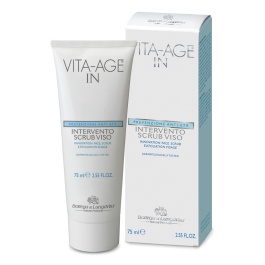
Exfoliation can be performed one or two nights a week to remove dead cells accumulated on the surface—the ones that make the complexion look dull and the texture feel rough. Intervention Face Scrub, formulated with almond and hazelnut micro-granules and plant-based ceramides, is designed for gentle exfoliation. The recommended frequency is twice a week on the face and neck; leave it on for a few minutes before massaging and rinsing off.
Remember: if you also use a retinoid, do not exfoliate on the same night you apply the retinoid.
The renewal evening
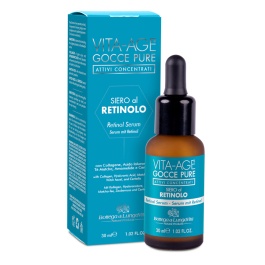
For those already accustomed to using active ingredients who also want to target fine lines and skin texture, you can introduce an evening dedicated to a cell-renewing active. The Next-Generation Retinoid Serum combines retinol with Bakuchiol — a naturally derived extract with retinol-like properties — to promote cell turnover and improve the appearance of wrinkles, firmness, and skin evenness. The formula is also enriched with hyaluronic acid and plant-based collagen, which help keep the skin hydrated and looking plumper.
As with any active ingredient, it is important to follow the instructions on the packaging and avoid combining the retinoid with an exfoliant on the same evening. First-time users should start gradually, spacing out applications and increasing frequency only when the skin no longer shows signs of tightness or redness the following day.
Recovery evenings
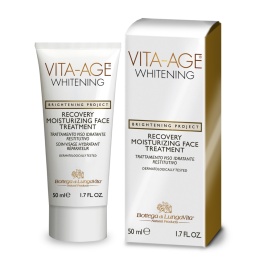
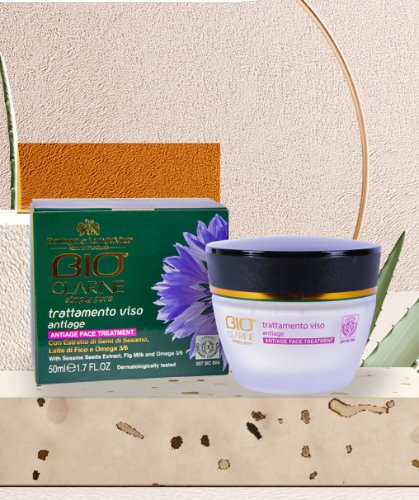
These are the most underrated evenings of the cycle, yet also the most important. They do not involve the use of exfoliating or renewing actives; instead, they serve to replenish the skin's moisture and comfort, ensuring it is well-prepared for the next "active" evening. The Recovery Moisturizing Face Treatment — enriched with natural anti-aging ingredients and essential nutrients — deeply nourishes and restores hydration: exactly what your skin needs between demanding nights.
Certain signs indicate that your skin requires more recovery nights than usual:
- skin that feels tight even a few hours after cleansing;
- patchy redness that persists throughout the day;
- a slight stinging sensation when applying products you previously tolerated without issues;
- fine flaking around the nose or mouth.
If these signs appear, it is best to extend the recovery phase before returning to active ingredients.
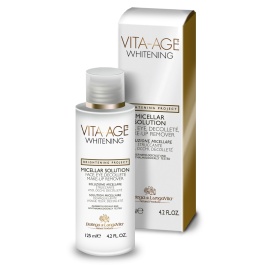
Cleansing remains the first step before any other, whether on nights dedicated to active ingredients or recovery nights. Cleansing Water For Face Eye And Decolleté removes makeup and impurities—including waterproof makeup, pollution residue, and fine dust—while respecting the skin's natural balance thanks to its soap-free formula. It is a simple yet important step to prepare the skin for the products that follow.
The morning routine: Vitamin C and sun protection
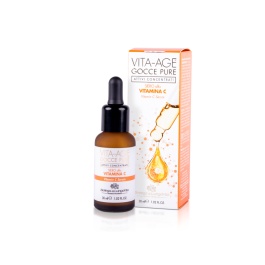
In the morning, you can complement your skincare with Vitamin C. Applied to cleansed skin, Vitamin C Serum helps improve radiance and even out the complexion, while protecting against oxidative stress alongside your daily moisturizer.
Don't forget sun protection: it remains essential year-round, especially after a night using exfoliating or renewing active ingredients.
What to avoid when Skin Cycling
The main risk with skin cycling isn't choosing the wrong product, but getting the sequence wrong.
- Layering too many active ingredients: using an exfoliant and a renewing serum on the same night can increase the risk of irritation, especially for sensitive skin.
- Neglecting sun protection: many think it is only needed in summer, whereas it remains crucial — especially — when using exfoliating or renewing active ingredients, which can increase the skin's sensitivity to light.
- Expecting immediate results: many people give up on the method after just a few days because they don't see changes. Radiance and texture improve gradually, while reducing wrinkles and other signs of aging generally requires more time and consistent application.
To learn more about sun protection and how UV rays affect the skin outside of the summer months, you can consult our guide on sun protection and facial dark spots.
How long a cycle lasts and how to adapt it to your skin
There is no one-size-fits-all schedule. Those who tolerate active ingredients well can maintain a tighter schedule, while those with sensitive skin or those just starting out may need more recovery nights — perhaps two or three in a row — before using an active ingredient again. In the event of persistent irritation, however, it is best to pause the use of active ingredients and seek advice from a dermatologist or pharmacist.
Product selection should also be tailored to your skin's needs. Bottega di LungaVita’s facial products, formulated with naturally derived ingredients, include treatments for exfoliation, hydration, and specific concerns, allowing you to adjust your routine based on your current needs.
Frequently asked questions about skin cycling
What is skin cycling and how does it work?
It is a method that alternates an exfoliation night, a renewal night, and recovery-only nights, allowing you to reap the benefits of active ingredients without irritating the skin.
How often should skin cycling be done after summer?
The traditional cycle consists of one night of exfoliation, one night of retinoid use, and two recovery nights. However, the frequency can be adjusted based on skin tolerance and the instructions for the specific products used.
Is skin cycling suitable for all skin types?
Yes, but it needs to be tailored to the individual. Those with sensitive skin or skin prone to easy irritation may require more recovery nights, especially during the first few weeks.
Can you practice skin cycling without retinol?
Yes. If you prefer not to use retinol, you can alternate exfoliation with nights dedicated to hydration and recovery, adjusting the frequency based on your skin's response.
How long does it take to see initial results?
The timeframe depends on your skin type, the active ingredients used, and the consistency of your routine. Radiance and texture may improve gradually, whereas addressing wrinkles and other signs of aging generally requires more time.
Sources
- European Commission Regulation (EU) 2024/996, amending Regulation (EC) No 1223/2009 to set concentration limits for vitamin A (retinol) in cosmetic products.
- American Academy of Dermatology, Skin care basics: a section covering general skincare principles, including daily sun protection and the "less is more" approach to using active ingredients.
Related products
-
INTERVENTION FACE SCRUB
Old price: €14.90 Price: €7.45 Discount: 50% Save up: -€7.45Gentle scrub with almond and hazelnut exfoliating particles in a soft cream,... -
RETINOL SERUM
Old price: €26.50 Price: €13.25 Discount: 50% Save up: -€13.25Face Serum with new generation retinoid, it improves cell turnover, giving an... -
RECOVERY MOISTURIZING FACE TREATMENT
Old price: €16.90 Price: €8.45 Discount: 50% Save up: -€8.45It deeply nourishes and moisturizes the skin, revitalizing the stratum... -
CLEANSING WATER FOR FACE EYE AND DECOLLETÉ
Old price: €11.00 Price: €5.50 Discount: 50% Save up: -€5.50Innovative brightening and cleansing micellar solution, it perfectly removes... -
VITAMIN C SERUM
Old price: €26.50 Price: €13.25 Discount: 50% Save up: -€13.25POWERFUL ACTIVE SERUM WITH VITAMIN C GLOW BOOSTER The Vitamin C contained...