





Hair and the sun: how to protect it from salt and UV rays at the beach

In this article, we will look at:
- Why the sun and salt water damage hair
- The signs of hair damaged by the sun and the sea
- How to protect your hair before and during sun exposure
- How to wash and nourish your hair after the sea
- Dry hair after the sea: what to do
- The most common questions about protecting hair from the sun and salt water
Protecting your hair from the sun and the sea is essential to prevent dryness, split ends, and loss of shine. During summer, UV rays, salt water, wind, and chlorine put significant stress on the hair fiber, making hair more fragile and difficult to manage. With a few simple precautions and a targeted routine, it is possible to limit damage and keep hair soft and healthy even after many days at the beach.
Why the sun and salt water damage hair
To truly protect hair from the sun and the sea, it is useful to understand how these elements affect the hair fiber.
The effect of UV rays
Hair is mainly made of keratin, the protein that gives it strength and elasticity. UV rays can weaken the bonds that keep the hair fiber compact, making hair more fragile and prone to breakage. UVA rays, on the other hand, promote the photo-oxidation of melanin, the hair's natural pigment, contributing to unwanted lightening and a gradual loss of shine, especially in colored hair.
The scalp is also affected by prolonged exposure: without adequate protection, it can become dry, irritated, and, in more severe cases, develop actual sunburn. Just like your facial skin, your hair also needs protection from UV rays. Learn more in our guide to sun protection and facial dark spots. Protecting the scalp is just as important as protecting the skin.
The effect of salt water
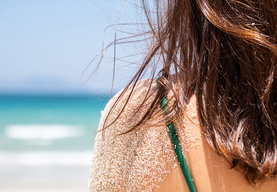
Sea water has a hygroscopic effect, meaning it draws water out of the hair fiber. The salt that remains on the hair after swimming continues to promote dehydration, leaving hair drier and rougher.
Wind and sand further increase friction between hair strands and lift the cuticles. The result is the classic straw-like effect, with frequent tangles, split ends, and increased frizz.
Signs of hair damaged by the sun and the sea
If hair has been exposed to the sun and salt water for a long time, several signs are easy to recognize:
- hair feels rough to the touch, with a straw-like texture;
- frequent tangles and increased difficulty detangling;
- split ends and breakage along the lengths;
- dull color or uneven lightening;
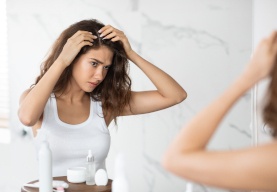
- dry scalp that feels tight or itchy.
If you recognize one or more of these symptoms, it is time to give your hair a more targeted summer routine.
How to protect your hair before and during sun exposure
A few simple steps before going to the beach can significantly reduce damage caused by the sun and salt water.
Use a physical barrier
A wide-brimmed hat, scarf, or bandana is still one of the most effective protections against UV rays. In addition to shielding the hair, it also helps protect the scalp, which is particularly sensitive during the hottest hours of the day.
Wet your hair with fresh water
Before entering the sea, wet your hair with fresh water. Hair that is already saturated with water will absorb less salt water, reducing the dehydrating effect of salt.
Avoid the hottest hours
Between 12 p.m. and 4 p.m., UV intensity reaches its highest levels. If possible, limit direct sun exposure during this time.
Tie your hair up
A loose braid or bun helps reduce continuous contact with wind and sand, decreasing friction that can cause tangles and breakage.
How to wash and nourish your hair after the sea
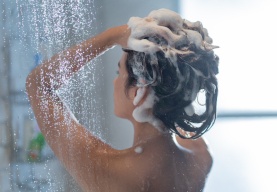
The first thing to do is rinse your hair thoroughly with fresh water to remove salt and chlorine residues before they continue to dehydrate the hair fiber.
In summer, washing becomes inevitably more frequent to remove sand and salt. For this reason, it is essential to choose a gentle product that respects the scalp’s natural hydrolipidic film, the thin protective layer made of water and lipids that helps maintain its balance. Delicat Shampoo for frequent use is specifically designed to cleanse without stressing the scalp or the hair fiber. Thanks to a formula that respects the skin's natural pH, it helps keep hair soft, shiny, and easy to comb even with frequent washing.
If you notice that your scalp tends to become oilier or heavier due to heat, sweat, and sunscreen residues, Dermorestoring Shampoo for oily hair may be a better choice. This treatment combines a purifying and sebum-balancing action, helping to rebalance the scalp with a valuable anti-itch effect without drying out the lengths.
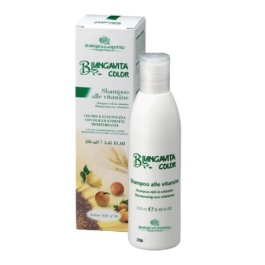
When hair—especially colored, bleached, or chemically treated hair—appears particularly weakened and dull, UV rays may have compromised its vitality. In this case, Vitamins Shampoo can help. Formulated with nourishing and antioxidant ingredients, it helps counteract the loss of elasticity caused by sun exposure, restoring softness, shine, and vitality to stressed hair.
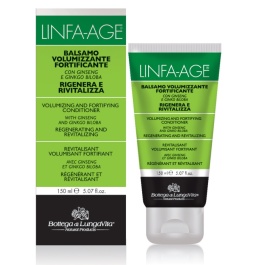
After cleansing the scalp, it is time to restore structure and hydration to the lengths, which are heavily affected by the thermal and mechanical stress of the beach. Always complete your summer routine with Fortifying Volumizing Conditioner. Specifically formulated to strengthen hair fibers weakened by sun exposure, this conditioner is the perfect ally for gently detangling knots caused by sand and wind and for sealing cuticles lifted by salt. By acting deeply within the hair fiber, it helps combat the straw-like effect, improves manageability, and restores softness and body to the hair.
Finally, avoid letting wet hair dry under direct sunlight. It is always preferable to gently blot it with a towel, let it air-dry in the shade, or use a hair dryer at a moderate temperature to avoid additional thermal stress on the hair fiber.
Dry hair after the sea: what to do
After many days at the beach, it is normal to notice hair that is drier, rougher, or more difficult to manage. The combination of UV rays, salt water, wind, and frequent washing can weaken the hair fiber, making it less elastic and more prone to breakage.
Salt water contributes to dehydration because salt tends to draw water out of the hair fiber, while prolonged sun exposure can alter the structure of keratin and make hair more fragile. The result is often dull, straw-like hair with split ends.
To help dry and damaged hair regain softness and vitality, it is useful to:
- apply a nourishing hair mask once or twice a week;
- limit the use of straighteners and high-temperature hair dryers in the days following sea exposure;
- consider a light trim if the ends are severely damaged;
- maintain a consistent hair care routine throughout the summer, not only when damage is already visible.
With a few targeted steps, you can help your hair recover after sun exposure and keep it softer, shinier, and more resilient throughout the season.
If you also notice increased hair shedding during the summer, remember that this is a fairly common phenomenon. To understand what causes it and how to address it, read our guide on summer hair loss and the best ways to strengthen your hair.
The most common questions about protecting hair from the sun and salt water
Is the sun good or bad for hair?
Moderate sun exposure helps the skin produce vitamin D. However, prolonged and unprotected exposure can weaken the hair fiber, alter the hair's natural color, and irritate the scalp.
How can I protect my hair from salt water at the beach?
The simplest way is to wet your hair with fresh water before swimming and rinse it immediately after coming out of the sea. Wearing a hat or scarf also helps limit direct UV exposure.
How often should I wash my hair after the sea?
In summer, it is normal to wash hair more frequently. The important thing is to choose a gentle shampoo suitable for frequent washing so that salt and chlorine are removed without disrupting the scalp’s balance.
Is there a specific sunscreen for hair?
Yes, there are products formulated to help shield hair from UV rays. If you do not use them, the most effective solution remains protecting your hair with a hat or scarf, followed by a nourishing hair care routine.
Is it true that hair never gets sunburned?
The hair fiber does not burn like the skin, but the scalp can become irritated, red, and flaky if exposed to the sun without protection.
Is it better to dry hair in the sun or with a hair dryer after swimming?
It is preferable to avoid direct sunlight on wet hair. The ideal solution is to gently blot it with a towel, let it dry in the shade, or use a hair dryer at a moderate temperature.
Related products
-
DELICATE SHAMPOO FOR FREQUENT USE
Price: €9.50Strengthens and protects the hair With mallow, pot marigold, butchers broom... -
DERMORESTORING SHAMPOO FOR OILY HAIR
Price: €9.50A sebum-normalizing, purifying and antipruritic treatment containing nettle,... -
VITAMINS SHAMPOO
Price: €9.90Cleans all types of hair colored, bleached and treated, revitalizing the... -
FORTIFYING VOLUMIZING CONDITIONER
Price: €10.90Delicate formulation based on Ginseng and Ginkgo Biloba with a reinforcing...