








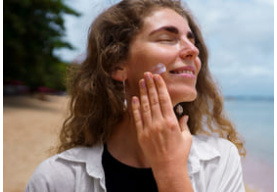
Shiny skin in summer: 5 steps for shine-free facial hydration

In this article, we’ll cover:
- Why does skin become shinier in hot weather?<
- Shiny skin or dehydrated skin? How to tell the difference
- The 5-step routine for hydrated, matte-looking skin
- 3 extra tips to optimize your summer skincare routine
- Answers to the most frequently asked questions about shiny skin
As temperatures rise, facial skin can appear shinier, especially in the T-zone. Heat, humidity, and increased sebum production all contribute to that uncomfortable greasy feeling that often appears just a few hours after cleansing.
Many people believe the solution is to eliminate moisturizers and serums from their skincare routine. In reality, the opposite is true: shiny skin in summer needs smart, targeted hydration that doesn’t leave a greasy finish, not a lack of nourishment.
Let’s look at how to build an effective 5-step summer skincare routine to keep your skin fresh, hydrated, and visibly less shiny.
Why does skin become shinier in hot weather?
Sebum, sweat, and vasodilation: the trio that leads to dehydration
During summer, blood vessels dilate and sebaceous glands become more active. This is the body's natural response to regulate internal temperature, but on the face it results in excess oil, enlarged pores, and that unwanted greasy sheen. Summer humidity also hinders sweat evaporation, creating a feeling of “suffocated” skin that, paradoxically, becomes dehydrated beneath the surface.
If this sounds familiar, you’ll likely notice these signs:
- A shiny T-zone (forehead, nose, and chin) by mid-morning
- More visible, enlarged pores, especially on the cheeks
- Makeup that slides off or fades unevenly
- A heavy feeling on the skin, even when using seemingly lightweight products
This constant effort to regulate temperature can disrupt the skin’s internal balance, making it more vulnerable. To support skin vitality with ingredients that help repair the skin without making it greasy, we recommend reading our guide on resveratrol for the face, an exceptional ally for strengthening the skin’s structure.
The mistake to avoid: skipping moisturizer
One of the biggest myths about summer skincare for oily or combination skin is that moisturizing isn’t necessary. When the skin senses a lack of water, it activates a natural defense mechanism: it produces even more sebum to prevent moisture loss (the rebound effect).
The solution to shiny skin in summer is not harsh cleansing or stripping the skin of oil, but choosing the right texture. Replace rich winter creams containing butters with a lightweight, water-based facial moisturizer that absorbs quickly.
Shiny skin or dehydrated skin? How to tell the difference
When your face looks shiny, it’s easy to assume you simply have oily skin. In reality, many people experience a condition where the skin produces excess oil on the surface while lacking water underneath.
Oily skin typically shows:
- Overall shininess across most of the face
- Visible, enlarged pores
- Greater tendency toward blackheads and blemishes
- An oily feeling throughout the day
Dehydrated skin, on the other hand, may show:
- Tightness after cleansing
- A dull, uneven complexion
- Loss of elasticity and comfort
- Localized shine, especially in the T-zone, combined with areas that feel dry or rough
These two conditions are not mutually exclusive. Skin can be both oily and dehydrated at the same time: it produces excess oil to protect itself but still lacks sufficient hydration. This is why completely eliminating creams and treatments is not the answer. The goal should be to balance shine control with proper hydration.
The 5-step routine for hydrated, matte-looking skin
To keep your face fresh and prevent products from increasing shine in hot, humid weather, the key is not to overload the skin. A winning strategy is to distribute active ingredients wisely between morning and evening.
Step 1 - Morning: cleanse gently
Your morning routine should always begin with cleansing, but with a product that respects the skin barrier.
Overnight, the skin naturally produces oil and accumulates impurities that should be removed upon waking. A gentle cleanser refreshes and purifies the skin without causing the tight, stripped feeling often associated with harsh cleansers.
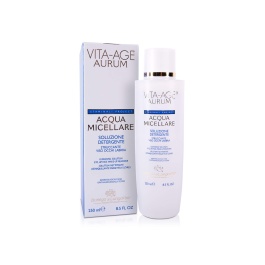
Micellar water Cleansing Solution cleanses and refreshes the skin in a single step thanks to plant stem cells and a phytocomplex. It removes excess oil produced overnight while toning the skin, without the tightness often caused by aggressive cleansing gels.
Step 2 - Morning: Apply a Lightweight Antioxidant Serum
In summer, the skin is exposed to more oxidative stress from UV rays, pollution, and heat. A serum rich in antioxidant vitamins can help protect the skin and maintain its radiance without adding heaviness.
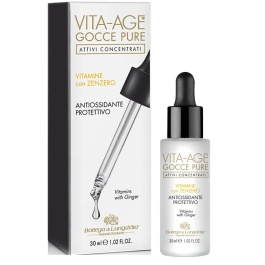
Concentrated actives with Vitamins and Ginger combine vitamins A, C, and E with ginger extract for powerful antioxidant action. Just a few drops in the morning absorb instantly without leaving residue, preparing the skin for the next steps.
A Step You Should Never Skip: Sunscreen
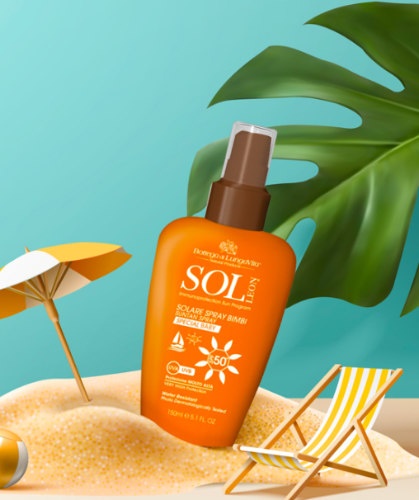
No matter what your summer routine looks like, sunscreen is essential. UV rays affect skin health by accelerating photoaging. If you want to avoid sun damage, be sure to learn how to prevent facial dark spots with sunscreen and how to use UV filters effectively.
If your skin tends to become shiny, choose lightweight, non-comedogenic, mattifying formulas that protect without weighing the skin down.
Step 3 - Morning and evening: choose a lightweight moisturizer
This is the most important step for anyone seeking hydration without a greasy finish.
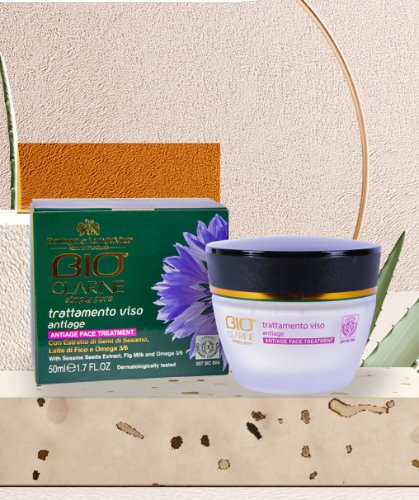
Gel and gel-cream formulas help replenish moisture without creating a heavy feeling. Ingredients such as hyaluronic acid, ceramides, and vitamins help maintain hydration and support the skin barrier.
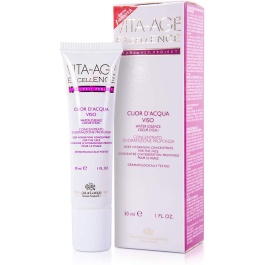
Deep Hydration Face Serium is an ideal hydrating gel cream for warmer weather. It stimulates aquaporin activity (the cellular channels responsible for water transport in tissues) thanks to a blend of hyaluronic acid, ceramides, and vitamins. Its lightweight texture instantly quenches thirsty skin, absorbs quickly, and delivers hydration without greasiness.
Step 4 - Evening: thoroughly remove residue and impurities
Evening cleansing is essential for maintaining a matte complexion. At night, it’s important to free the pores from sunscreen residue, sweat, and pollution accumulated throughout the day.
Proper evening cleansing helps keep pores clear and prepares the skin for overnight treatments.
Cleansing Water For Face Eye And Decolleté removes even waterproof makeup thanks to licorice extract and a brightening complex, leaving the skin clean, purified, and ready to regenerate.
Step 5 - Evening: boost skin radiance
Evening is also the perfect time to use treatments that improve the appearance of the complexion. Vitamin C is one of the most appreciated skincare ingredients thanks to its brightening and antioxidant properties.
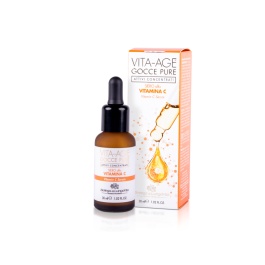
Vitamin C Serum, enriched with vitamin E and acerola extract, works overnight to improve dull-looking skin and help counteract signs of photoaging caused by daytime sun exposure. By morning, the complexion appears more even, radiant, and noticeably less oily.
3 Extra tips to optimize your summer skincare routine
If you're wondering how to keep your face from getting shiny during hot summer days, combine the 5-step routine with these habits:
- Use oil-blotting papers: they’re practical to carry around and help remove excess shine without disturbing your makeup. Gently press them onto the T-zone throughout the day.
- Avoid harsh scrubs: over-exfoliating in summer can weaken the skin barrier. In response, the skin may produce even more oil. Instead, choose gentle or enzyme-based exfoliants and use them only once a week.
- In & Out Hydration: drink plenty of water throughout the day and nourish your skin from within as well. If you'd like to discover how the right nutrients can enhance the effects of your summer skincare routine, take a look at our guide on how to combine supplements and skincare for healthy, hydrated, and radiant-looking skin.
Managing shiny skin in summer doesn’t mean depriving it of what it needs—it means choosing smarter formulations.
With proper cleansing, targeted hydrating ingredients, and sunscreen suited to your skin type, you can reduce shine and keep your complexion fresh and comfortable even on the hottest days.
Frequently asked questions about shiny skin in summer
Why does facial skin become shinier in summer?
The combination of high temperatures and humidity stimulates the sebaceous and sweat glands to produce more oil and sweat to cool the body. This natural process, combined with vasodilation, creates a greasy film on the skin and makes pores appear larger, especially in the T-zone.
What type of moisturizer should I use in summer to avoid sweating and shine?
The best choice is a hydrating gel cream or water-based, non-comedogenic fluid. Look for products containing hyaluronic acid for lightweight hydration and sebum-regulating ingredients such as niacinamide. Avoid rich formulas with butters or heavy oils typically used during winter.
How often should oily skin be cleansed in summer?
No more than twice a day—morning and evening. Washing too frequently or using overly aggressive cleansers can strip the skin’s protective barrier. This triggers a rebound effect, causing the skin to produce even more oil and worsening shine.
Should people with oily or shiny skin wear sunscreen?
Absolutely. UV rays damage the skin barrier and can dehydrate the skin’s surface, leading to increased oil production afterward. The key is choosing a mattifying or “dry-touch” sunscreen specifically formulated to reduce shine and resist sweat without clogging pores.
How can I prevent my face from getting shiny over makeup during the day?
The quickest and most effective solution is using oil-blotting papers. Simply press them gently onto the T-zone to absorb excess oil without disturbing your makeup. Avoid repeatedly layering powder throughout the day, as it can mix with sweat and potentially clog pores.
Related products
-
CLEANSING SOLUTION
Old price: €14.00 Price: €7.00 Discount: 50% Save up: -€7.00Innovative micellar solution which cleans and removes make-up in one-step,... -
DEEP HYDRATION FACE SERUM
Old price: €20.50 Price: €10.25 Discount: 50% Save up: -€10.25A deep moisturizing face treatment with an innovative natural complex that... -
GINGER AND VITAMINS
Old price: €32.50 Price: €16.25 Discount: 50% Save up: -€16.25Active concentrate based on Vitamins C E A with protective and antioxidant... -
VITAMIN C SERUM
Old price: €26.50 Price: €13.25 Discount: 50% Save up: -€13.25POWERFUL ACTIVE SERUM WITH VITAMIN C GLOW BOOSTER The Vitamin C contained...