


STRAW-LIKE, BURNT HAIR: CAUSES, EFFECTIVE REMEDIES, AND PRODUCTS TO RESTORE IT

Table of Content
- Burnt or “straw-effect” hair: what does it mean?
- The 7 main causes of straw-like hair
- SOS straw-like hair: what to do immediately and in the long term
- Essential products to rebuild and restore damaged hair
- Healthy hair: a matter of patience and consistency
- FAQs about straw-effect damaged hair
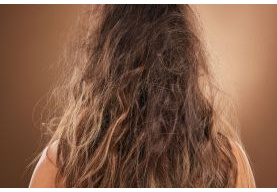
Have you ever looked at your hair and thought it feels more like straw than silk? You're not alone! Many people struggle with burnt hair, which appears porous, dry, dull, and rough. This condition—commonly known as the "straw effect"—can be frustrating, but don't worry: there are effective ways to restore your hair's health.
The good news is that even in the most visible cases, it is possible to noticeably improve the appearance of your hair and reduce the straw effect through a more mindful routine, targeted remedies, and suitable products.
Burnt or "straw-effect" hair: what are we talking about?
When hair loses elasticity, becomes dull, breaks easily, and is difficult to comb, it is often described as straw-like hair. This is not just an aesthetic issue: it's a clear sign that the hair fiber is deeply dehydrated and damaged.
The straw effect occurs when the hair fiber is altered: the cuticles—the hair's protective outer layer—lift and can no longer retain water and nutrients. The result is hair that is porous, dry, dull, and rough to the touch.
From a scientific perspective, studies on hair porosity and strength show that chemical and physical damage reduces the internal cohesion of the fiber, making it more fragile and less elastic¹. This explains why straw-like hair tends to break, tangle easily, and lose definition. The sensation is that of "emptied" hair that no longer responds to usual products.
Recognizing the problem is already the first step toward addressing it properly. With the right routine and suitable products, you can restore shine, softness, and vitality to your hair.
The 7 main causes of straw-like hair
Before rushing to masks and treatments, it's helpful to understand why your hair has started to resemble straw. Knowing the causes helps prevent further damage and choose the most effective remedies to restore softness and shine.
1. Aggressive chemical treatments
Hair dyes, bleaching, and chemical treatments can severely damage the hair structure. These processes strip away natural moisture, leaving hair dry and fragile. It's no coincidence that people often talk about straw-like hair after bleaching, as bleaching is one of the main culprits.
2. Excessive use of heat tools
Straighteners, curling irons, and high-temperature blow dryers dehydrate and weaken the hair shaft. As confirmed by recent studies², reducing heat exposure or always using a heat protectant is essential to preserve hair health.
3. Environmental exposure
Sun, chlorine, and salt water can damage hair, especially during summer. Prolonged exposure leads to dryness and breakage. Specific seasonal remedies are recommended to protect and repair environmental damage.
4. Nutritional deficiencies and dehydration
A diet low in proteins, vitamins, and healthy fats—combined with poor hydration—affects hair health. Eating a balanced diet and drinking enough water helps keep hair hydrated and resilient.
5. Inadequate hair-care routine
Harsh shampoos, products unsuited to your hair type, or skipping conditioner and masks all contribute to damage. Choosing gentle, nourishing products helps protect the hair fiber. For more details, see also: how to use hair conditioner properly.
6. Friction and mechanical stress
Brushing too aggressively, using rough towels, or wearing overly tight hairstyles promotes breakage. Gentle handling helps reduce mechanical stress on the hair.
7. Structural factors
Curly or frizzy hair tends to dry out more easily. If you have this hair type, a routine focused on nourishment and hydration is essential.
Effective remedies: SOS for straw-like hair
When facing the mirror, the big question is: what should I do if my hair feels like straw? And above all, how can I reduce the straw effect without making things worse?
Immediate solutions
- Trim, trim, and trim again! One of the first steps is cutting off damaged ends. This improves the overall appearance and prevents damage from spreading further.
- Pamper your hair. Professional restructuring masks and treatments are true allies. Choose products containing keratin, vegetable oils such as argan and coconut, or shea butter. These ingredients help restore hydration and strengthen the hair structure³. A mask for straw-like hair can work wonders in restoring softness and shine.
- The L.O.C. (or L.C.O.) method. This technique involves applying a liquid, followed by an oil and then a cream (or reversing the last two steps) to seal in moisture. It's particularly effective for keeping hair soft, hydrated, and shiny over time.
Prevention and a new routine
- Lower the heat—your new mantra. Reduce the use of straighteners and blow dryers, and never forget a heat protectant. This small habit makes a big difference in protecting hair from heat and future damage.
- Gentle washing: the golden rule. Use mild or low-poo shampoos and avoid vigorous rubbing. A gentle approach keeps hair healthy, hydrated, and happy.
- Sun protection for your hair, too. UV-protective sprays are essential when you're in the sun or in the mountains. Remember: protection isn't just for your skin—your hair needs it too.
- A final cold rinse: the magic touch. Rinsing hair with cold water helps seal the cuticles and boost shine. A small daily habit that makes a noticeable difference.
Essential products to rebuild and restore hair
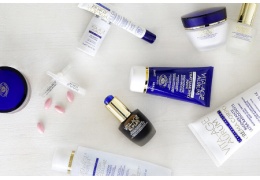
When it comes to recovering damaged hair, an effective routine starts with products that respect the hair's natural balance. Bottega di Lunga Vita offers targeted solutions for dry, fragile, or stressed hair.
Choose shampoos with natural ingredients that keep the scalp healthy and leave hair soft without stripping it. In our store, you'll find formulas suitable for every need, protecting and nourishing hair from the very first wash.
Don't forget conditioner: an essential step in any routine, it softens the hair fiber, makes detangling easier, and protects the ends from external aggressors. Finally, strengthening and anti-hair-loss treatments complete the routine by helping reduce shedding, stimulating growth, and restoring strength, shine, and vitality—even when hair appears dry or fragile.
With the right combination of shampoo, conditioner, and targeted treatments, you can help your hair rebuild, rehydrate, and reduce the straw effect, making it soft and luminous again.
Healthy hair: a matter of patience and consistency
In conclusion, restoring burnt, straw-like hair takes time—but it is possible. The key is a gentle, consistent approach: trimming when needed, hydrating regularly, and protecting hair every day.
Even hair that seems irreversibly dry can become softer, shinier, and more vibrant when treated with care and the right products. With patience and consistency, you can enjoy healthy, radiant hair once again.
FAQs about straw-effect damaged hair
How can I tell if my hair is damaged?
If hair is dull, rough, and breaks easily, it may be damaged. Other signs include persistent frizz, difficulty detangling, and loss of elasticity.
What are the best remedies for damaged hair?
A combination of good habits and targeted products works best. Masks with coconut oil, avocado, or honey nourish the hair, while gentle shampoos, hydrating conditioners, and specific treatments complete the recovery process.
How often should I cut damaged hair?
A trim every 6–8 weeks helps keep healthy hair intact and prevents split ends from traveling upward, improving the overall look of your hair.
Can straw-like hair become healthy again?
Yes and no. Already damaged hair cannot regenerate, but with the right routine, suitable products, and consistency, hair can become softer, shinier, and easier to manage. With patience and daily care, your hair can regain beauty and vitality.
Sources:
- Porosity and Resistance of Textured Hair: Assessing Chemical and Physical Damage Under Consumer-Relevant Conditions, MDPI, 2025.
- Fernandes, A., Chura, S., & Carneiro, G. (2023). Analysis of the Influence of Lipid Components on the Spreadability of Hair Heat Protectants by Central Composite Design. Ensaios e Ciência C Biológicas Agrárias e da Saúde. https://doi.org/10.17921/1415-6938.2023v27n3p327-331.
- Synergy of keratin peptides and natural oils embedded in nanostructured lipid carriers to protect and restore human hair structure, ScienceDirect, 2025.
Related products
-
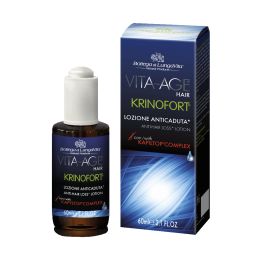
ANTI HAIR-LOSS LOTION
Price: €24.50The lotion, developed to protect and extend hair life, contains the exclusive... -
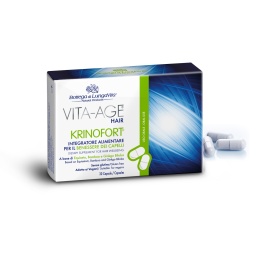
DIETARY SUPPLEMENT FOR HAIR WELLBEING
Price: €20.50Dietary supplement for the hair wellbeing with Equisetum, Bamboo, Selenium,... -
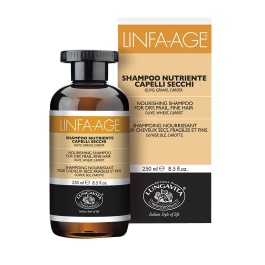
NOURISHING SHAMPOO FOR DRY HAIR
Price: €9.50Developed to restructure and revitalize dry and damaged hair, contains a rich... -
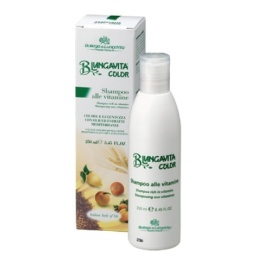
VITAMINS SHAMPOO
Price: €9.90Cleans all types of hair colored, bleached and treated, revitalizing the... -
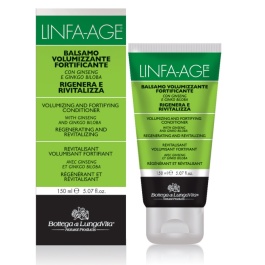
FORTIFYING VOLUMIZING CONDITIONER
Price: €10.90Delicate formulation based on Ginseng and Ginkgo Biloba with a reinforcing...